Description
What is Pigging?
In general, pigging refers to the practice of using devices known as “pigs”(Pigging Products) to perform various maintenance operations inside pipelines while allowing the flow of the product to continue uninterrupted. These operations include:Cleaning、Inspection、Separation、Testing、Product recovery.
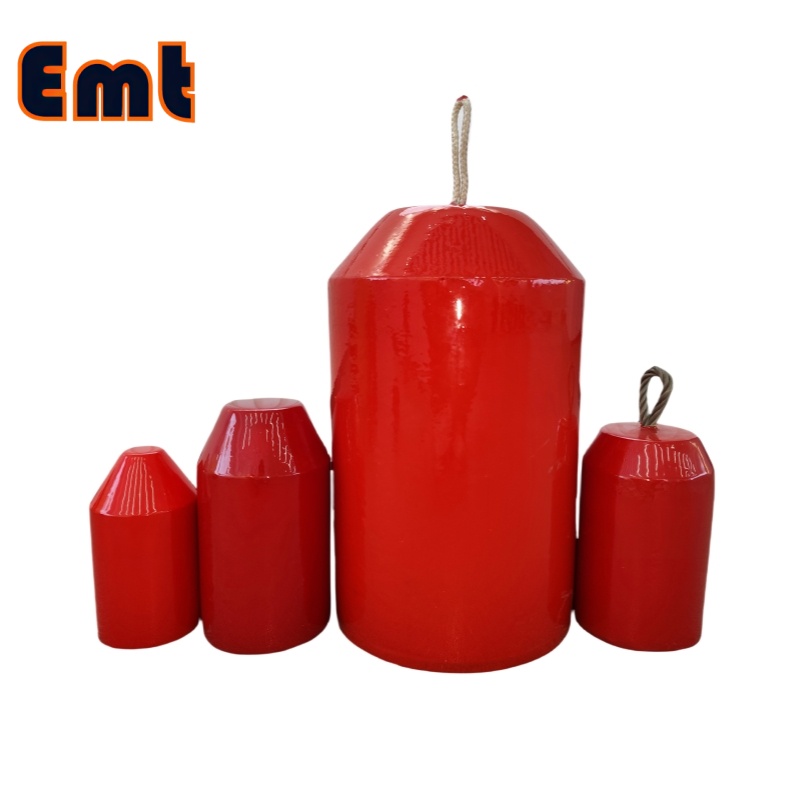
Types of Pipeline Pigs(Pigging Products)
Here are the main categories of pigging products:
1. Cleaning Pigs
Used to remove debris, wax, scale, or other deposits from the pipeline walls.
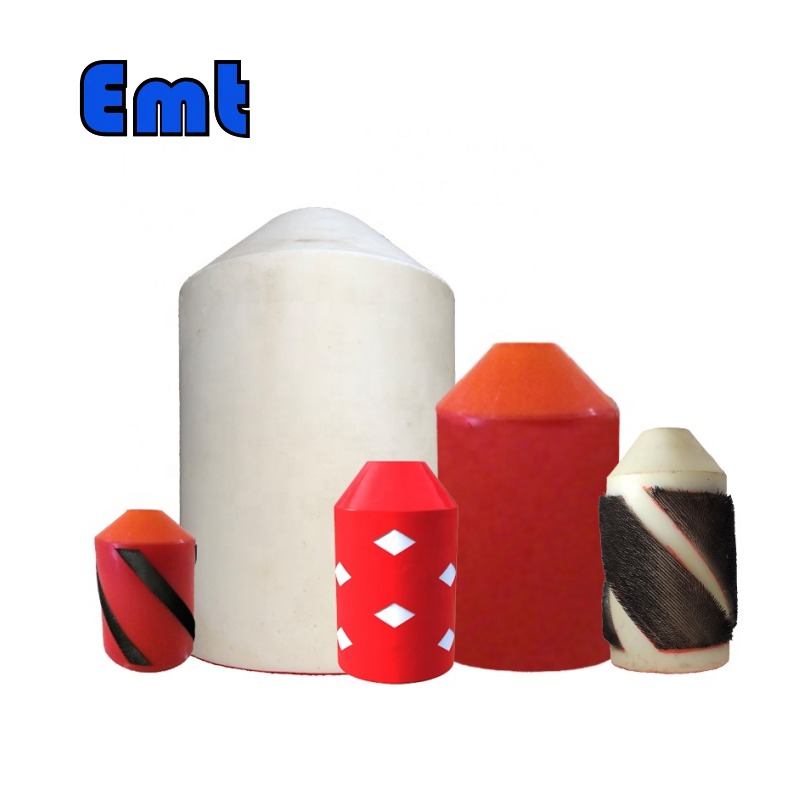
Foam Pigs: Flexible, lightweight, used for drying and light cleaning.
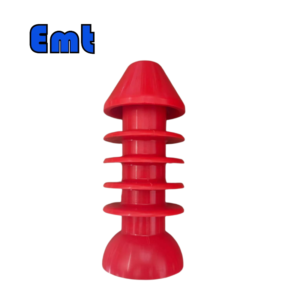
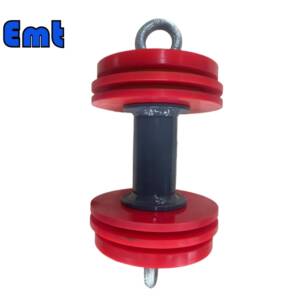
Steel Mandrel Pigs: Heavy-duty pigs with brushes/discs for aggressive cleaning.
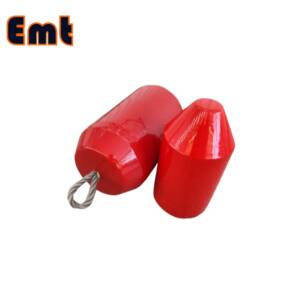
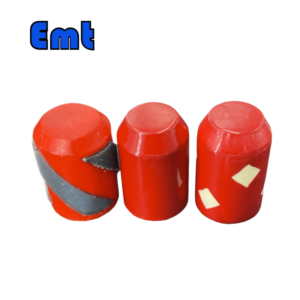
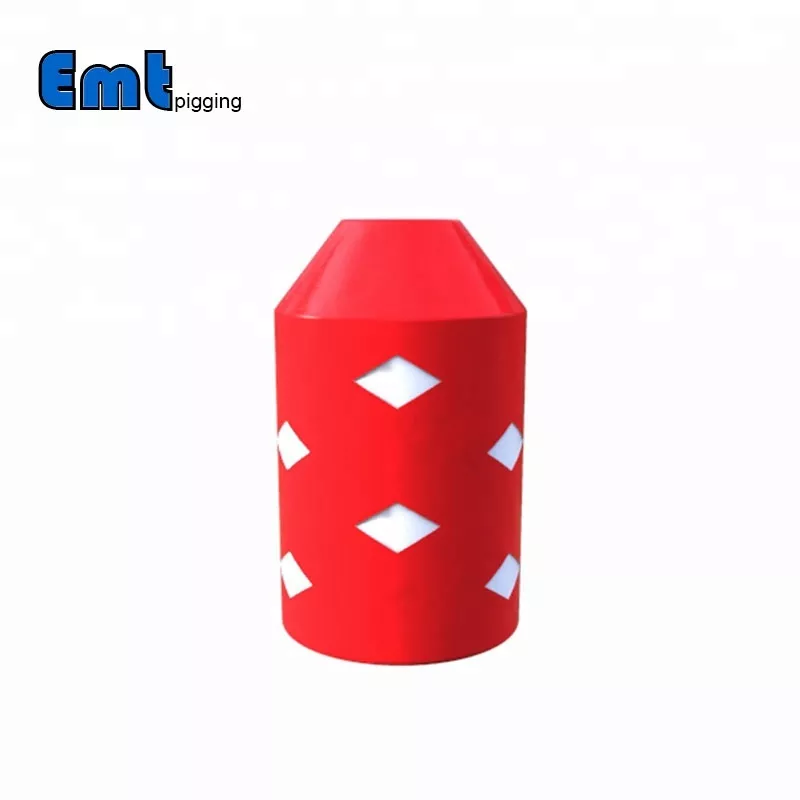
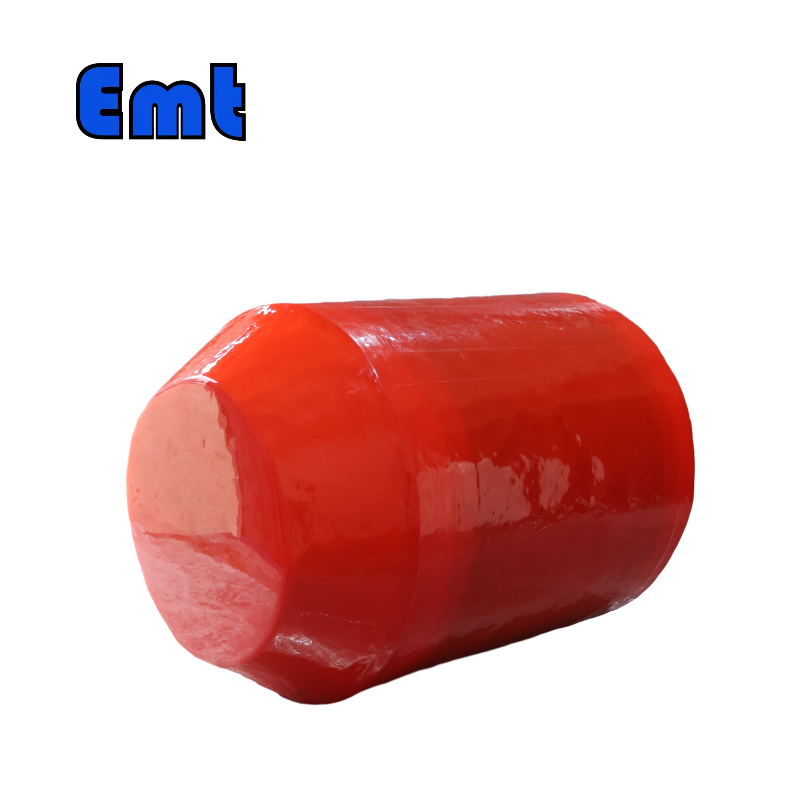
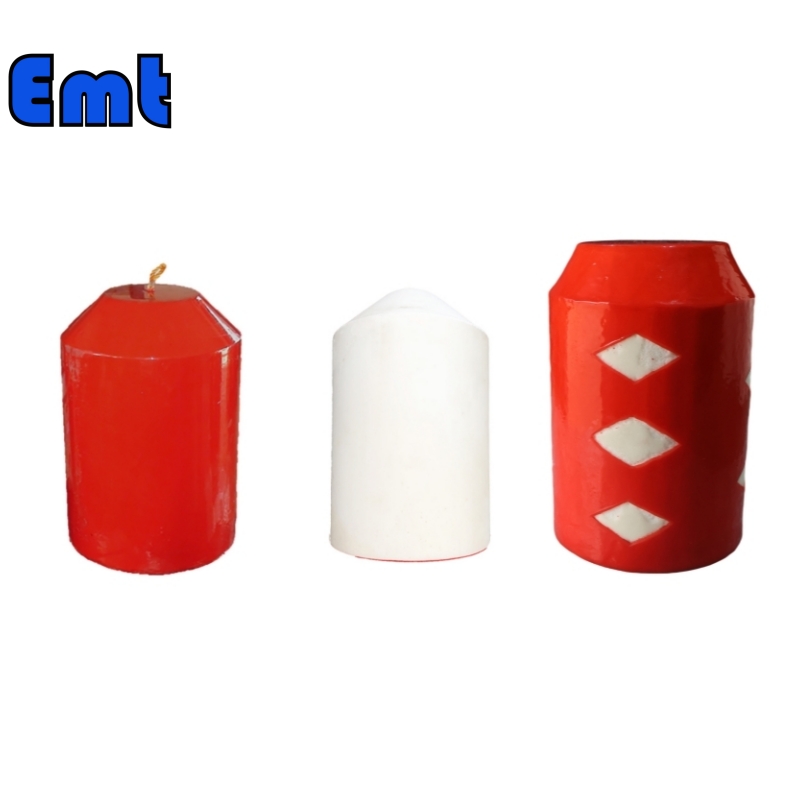
Urethane Pigs: Durable and used for wiping and sealing.
2. Inspection Pigs (Intelligent Pigs)
High-tech pigs that inspect the pipeline for defects using sensors:
Ultrasonic Pigs
Caliper Pigs (measure internal geometry)
3. Sealing or Batching Pigs
Used to separate different products in multiproduct pipelines or to displace liquids:
Cup Pigs: Provide excellent sealing.
Disc Pigs: Used when higher sealing or scraping is required.
4. Gel Pigs
A semi-solid pigging method using a gel-like substance to clean or displace fluids in complex pipelines.
Pigging System Components (Pigging Products)
1. Pig Launcher
Operators use a pig launcher, a custom-built segment in the pipeline system, to safely and steadily feed a pig into the pipeline. We normally install this equipment at the starting point of the pigging run.
The unit includes a barrel, a closure door, a kicker line and isolation valves. Operators pressurize the launcher until its pressure matches that of the main pipeline before launching the pig. After placing the pig inside the barrel, we push the pig forward using the flowing medium inside the line or another driving fluid. We manufacture launchers to support both manual and automatic operation according to different working conditions.
2. Pig Receiver
We fit the pig receiver at the end of the pigging section. Operators rely on this device to catch and retrieve the pig safely once it finishes traveling through the pipeline. Its barrel structure is identical to that of the launcher, and it comes with a closure door for pig recovery. The receiver also carries pressure relief and venting units to guarantee safe pig removal.
After pigging work finishes, operators isolate the receiver from the main pipeline and release internal pressure before opening the door. This procedure prevents the leakage of pipeline liquids and gases and allows us to take out the pig securely.
3. Pig Detection System (Pig Signallers or Pig Tracker)
Operators need a pig detection system to track pig movement and pinpoint its position along the pipeline. We produce mechanical, magnetic, acoustic and electronic types of detection equipment.
We install permanent or temporary pig signallers on key positions of the pipeline to capture signals. These sensors pick up the passing pig and send out real-time data. With these signals, operators can verify that the pig finishes the whole trip without getting stuck or going missing.
In short, a well-functioning pig detection system improves pipeline safety, operational stability and working efficiency.
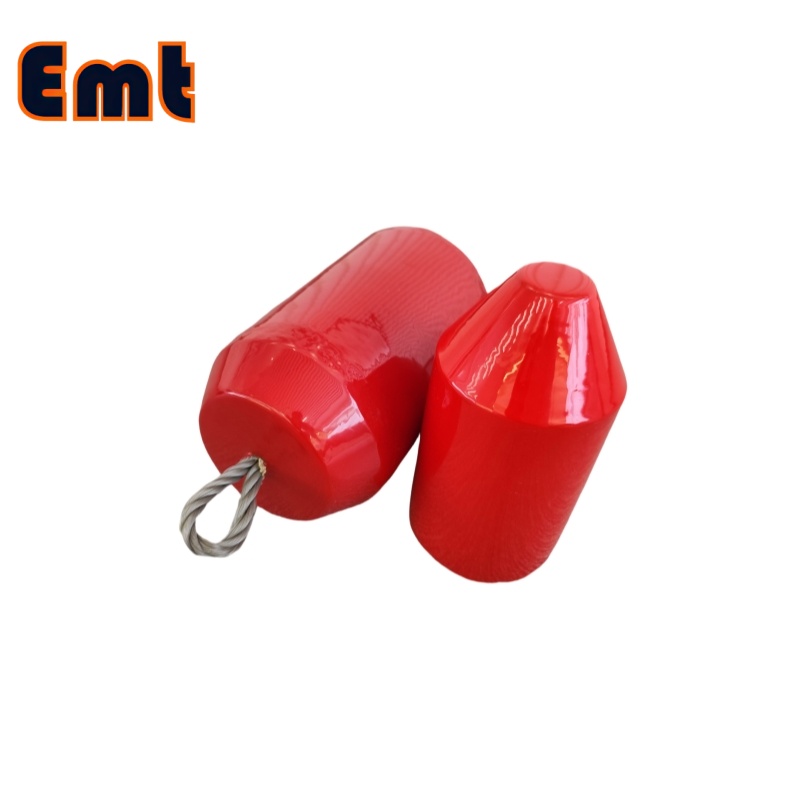
Benefits of Pipeline Cleaning
First and foremost, it increases pipeline efficiency by ensuring smooth and uninterrupted flow.
In addition, it reduces operational costs by minimizing downtime and avoiding costly repairs.
Moreover, it prevents blockages and corrosion, which can lead to serious pipeline failures.
As a result, it enables accurate inspection by removing debris and buildup that could interfere with inspection tools.
Finally, it reduces waste in product transfer, thereby improving overall system performance and sustainability.
Industries That Use Pigging Products
Oil & Gas (upstream, midstream, downstream)
Food & Beverage (to reduce product loss)Chemical and PharmaceuticalWater and Wastewater treatment