Description
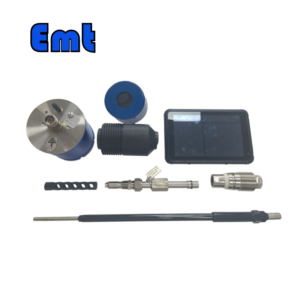
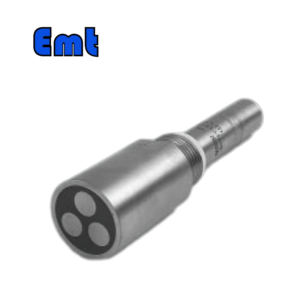
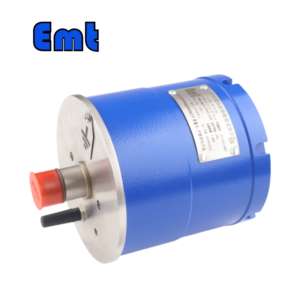
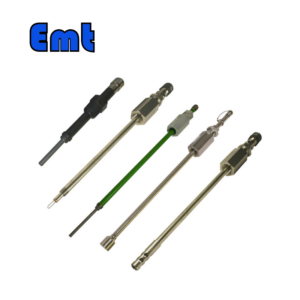
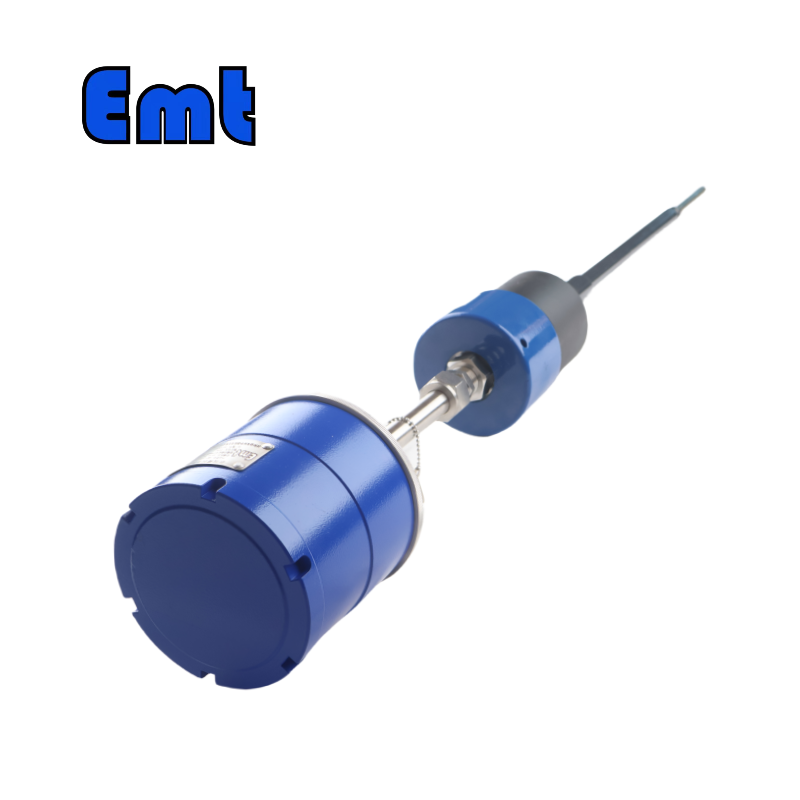
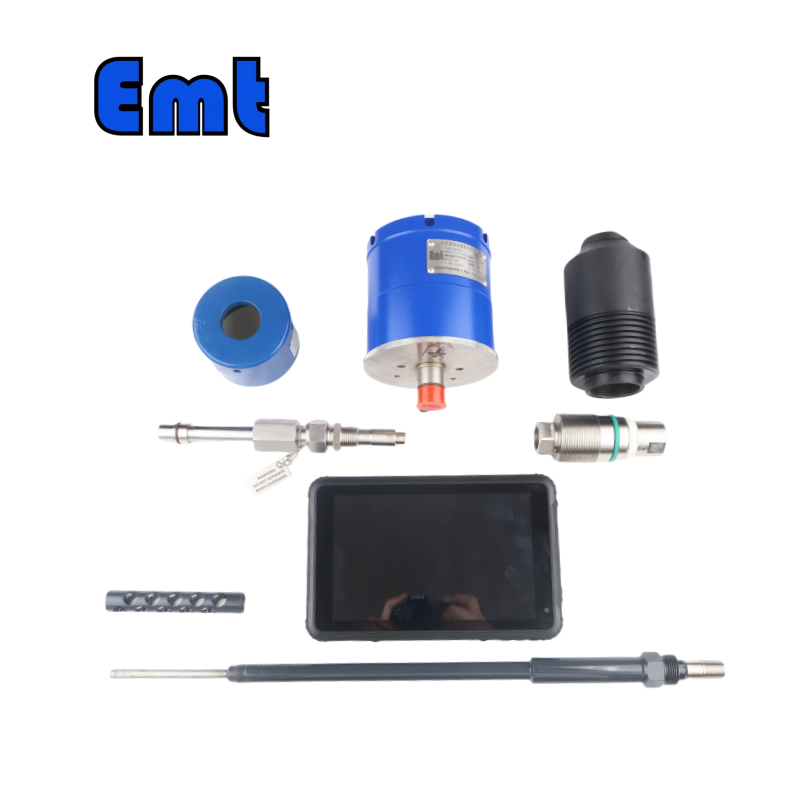
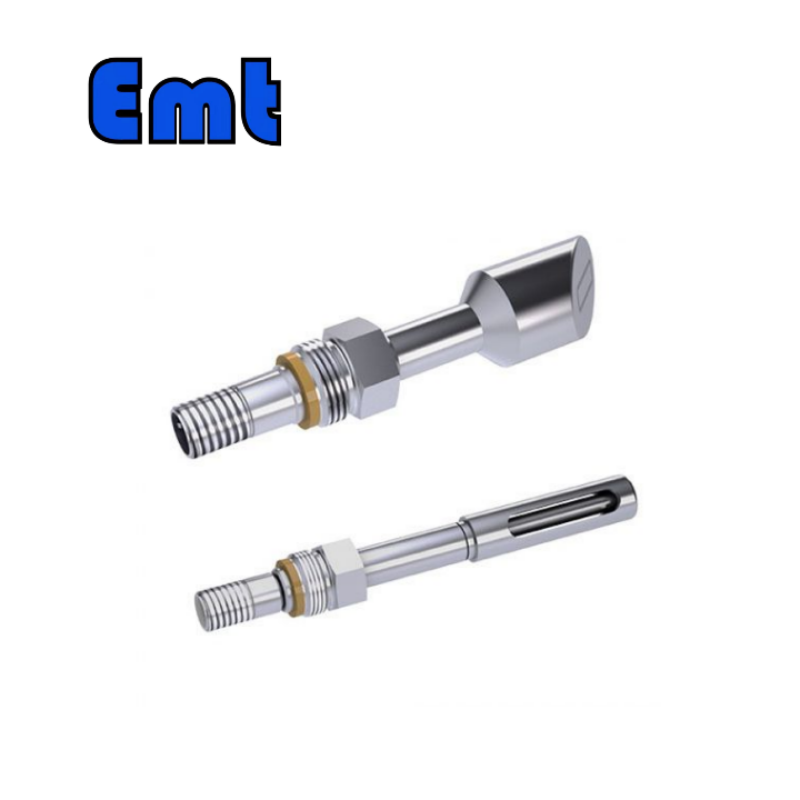
EMT Hydraulic Corrosion Probe deliver reliable, cost-effective corrosion monitoring for pipelines and storage vessels in the oil, gas, and chemical industries. By periodically inserting and retrieving test coupons or resistance-based sensors directly into your process stream, these probes provide critical data to calculate corrosion rates and predict equipment lifespan. Our robust design ensures accurate, real-world fluid corrosiveness assessment under actual operating conditions.
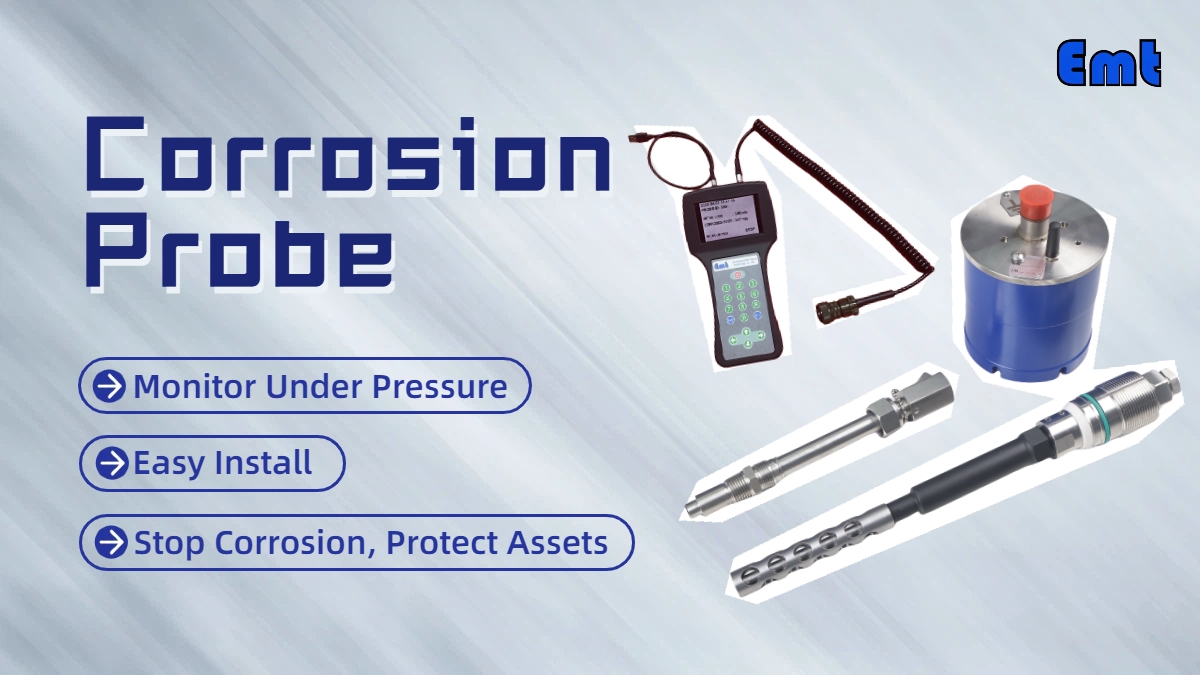
1. Dual Installation Flexibility:
-
Welded Base Hydraulic Corrosion Probes: Designed for permanent, high-integrity installation, the base is welded directly onto the pipeline or vessel. This method provides exceptional leak-tight security, ideal for high-pressure applications or locations without pre-existing flanges.
-
Flange Base Hydraulic Corrosion Probes: Enable rapid deployment and maintenance by connecting directly to standard pipeline installation flanges. This design allows for probe insertion and retrieval without requiring a full system shutdown, significantly reducing downtime by up to 50%.
2. Uncompromising Safety & Sealing:
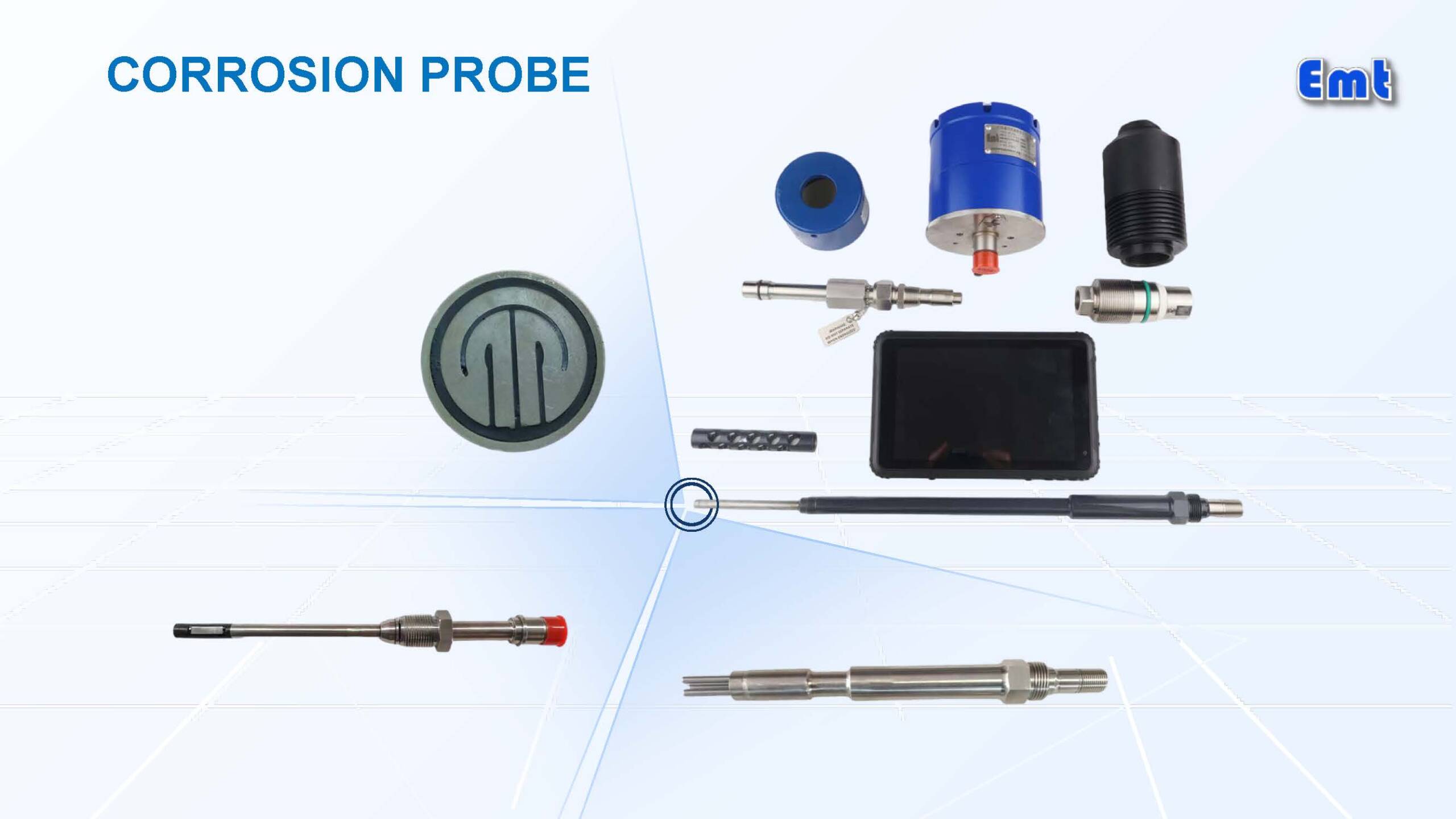
Safety is paramount. Our Hydraulic Corrosion Probe features a robust multi-stage sealing system:
-
Precision sealing rings on the locking pin, verified pre-installation for damage.
-
A securely screwed protective cover adding an extra barrier.
-
A locking nut firmly securing the adapter connection.
This triple-seal design, rigorously tested to ISO 15848 standards, guarantees leak-free operation within a wide pressure range (0-15 MPa / 0-2175 psi). Crucially, our design incorporates clear safety protocols: the locking pin tail must sit flush with the base surface, and personnel must keep all body parts clear of the interface during pressurized operations.
3. Precision Measurement & Data Integrity:
Obtain trustworthy corrosion data through proven methodologies:
-
Coupon (Weight Loss) Method: Analyze surface area, initial weight, weight loss post-exposure, and duration to determine average corrosion rates according to ASTM G1 standards.
-
Resistance-Based Sensing: Utilize integrated sensors for continuous or periodic electronic corrosion rate monitoring.
Data loggers connect seamlessly to the adapter’s end plug, facilitating automated data collection and trend analysis for informed maintenance decisions.
4. Robust Construction & User-Centric Design:
Built to endure harsh industrial environments:
-
Military-Grade Durability: 316L stainless steel body with PTFE anti-corrosion coating withstands temperatures from -40°C to 260°C (-40°F to 500°F).
-
Intelligent Locking Mechanism: Features a flush tail locking pin and visual sealing ring inspection points, ensuring correct and secure installation every time.
-
Modular Efficiency: The probe/plug assembly utilizes a quick-connect design secured by a set screw, enabling sensor replacement in seconds (Patent: CN ZL20XX.X).
-
Impact-Resistant Protection: The mandatory protective cover meets NACE MR0175 standards, shielding components and personnel.
Proven Applications Across Critical Industries:
EMT Hydraulic Corrosion Probe is essential for monitoring fluid corrosiveness in:
-
Crude Oil & Refined Product Transmission Pipelines
-
Natural Gas Gathering & Transmission Stations
-
Strategic Petroleum Reserve Storage Tanks
-
Chemical Processing & Storage Vessels
-
Offshore Platform Production Flow Lines
Technical Specifications of Hydraulic Corrosion Probe:
| Parameter | Specification |
|---|---|
| Applicable Diameter | DN50 to DN2000 Pipelines & Vessels |
| Pressure Rating | Class 150 to 2500 |
| Probe Types | Carbon Steel Coupons, Stainless Steel Coupons, Electrical Resistance Probes |
| Monitoring Methods | Weight Loss (ASTM G1), Resistance Change |
| Data Output | RS485, 4-20mA (Optional) |
| Sealing Standard | ISO 15848 |
| Temperature Range | -40°C to 260°C (-40°F to 500°F) |
| Body Material | 316L Stainless Steel with PTFE Coating |
Safety is Non-Negotiable:
EMT mandates strict adherence to safety protocols during installation and operation:
-
Personnel must wear appropriate personal protective equipment (PPE).
-
All body parts must be kept clear of the probe interface during any pressurized operation.
-
Sealing rings must be inspected before every installation and replaced per the maintenance schedule (5-year warranty included).
-
Utilize remote handling tools for high-pressure applications (available upon request).