Description
OPTIONALL PIPELINE SOFT CLEANING PIG
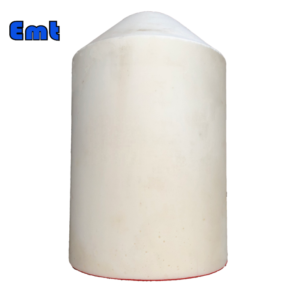
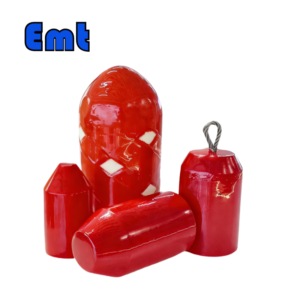
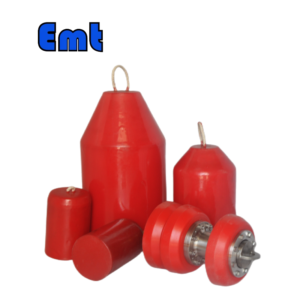
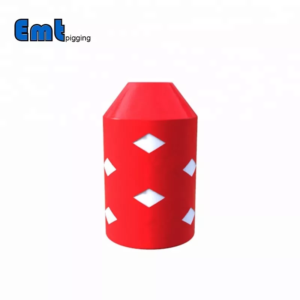
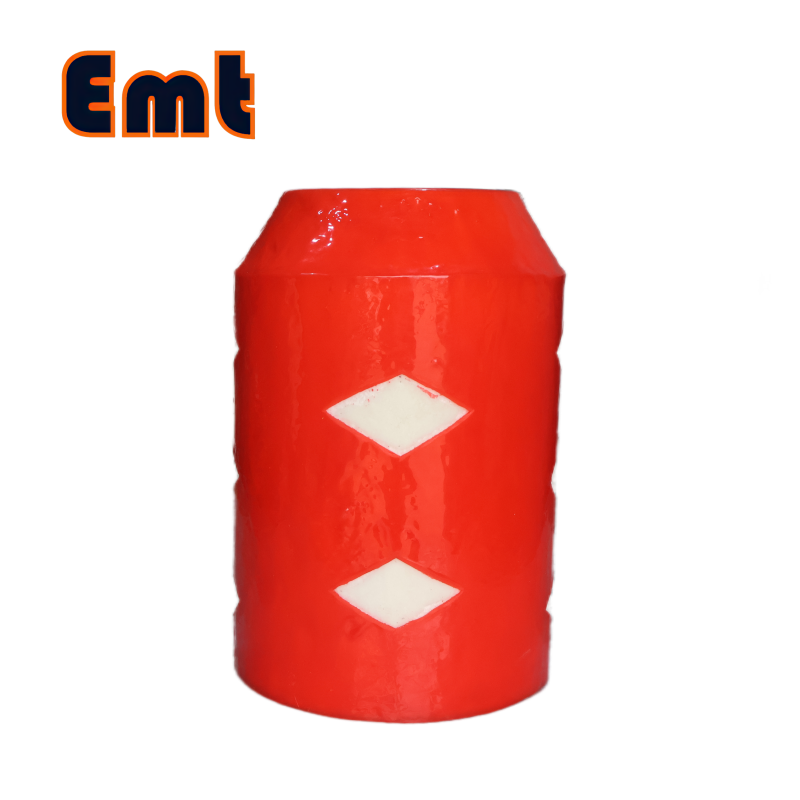
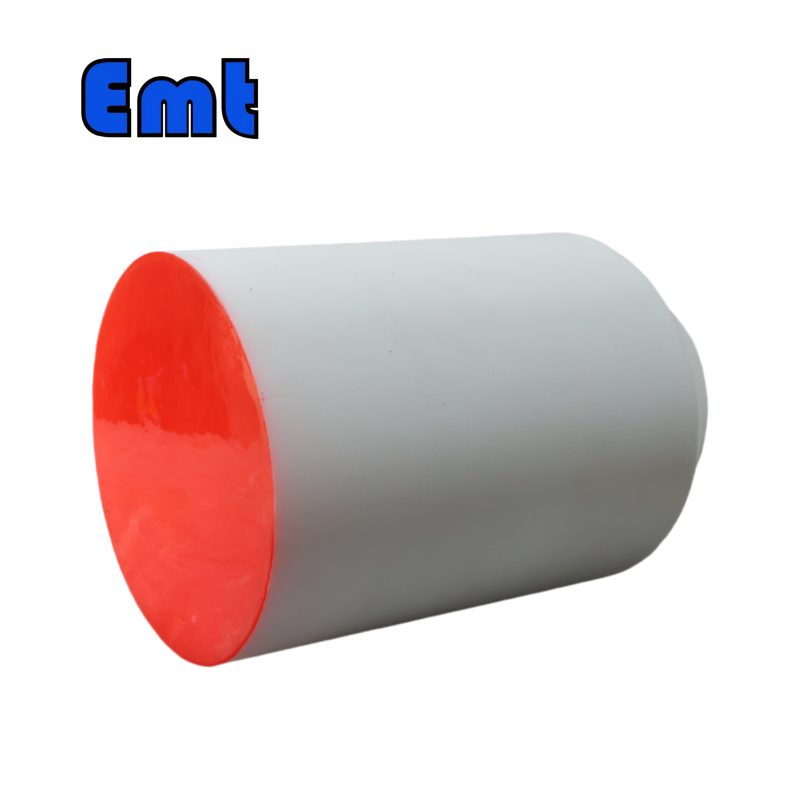
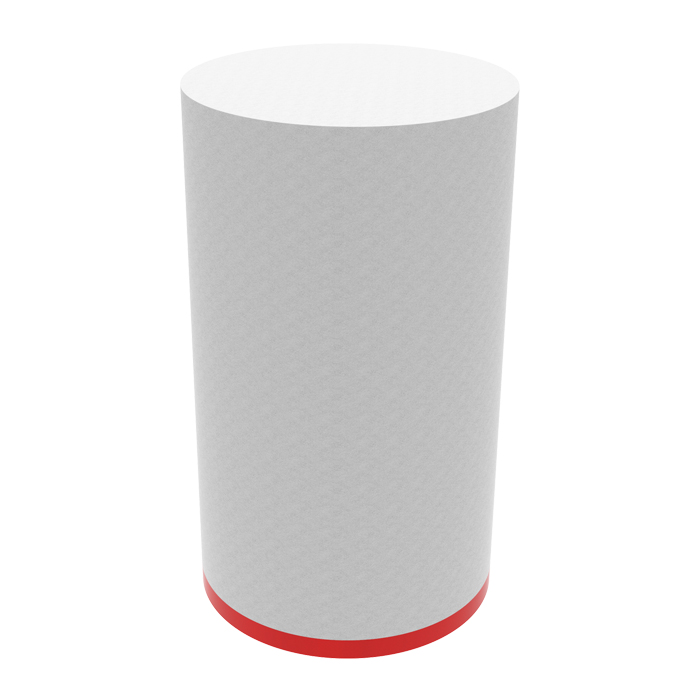
Operators build a pipeline soft cleaning pig as a flexible cylindrical device, mostly using polyurethane foam or comparable bendable materials. Operators push this tool through a pipeline with conveyed product flow to complete core maintenance work. The soft cleaning pig mainly wipes and scrapes pipe inner walls to gently clear soft contaminants—including wax, sludge, sand and scale—and it never damages internal pipeline surfaces. This non-abrasive cleaning method keeps fluid flowing smoothly, avoids pipeline blockages, and preps pipelines for inspection. Oil, gas and other industrial pipeline teams rely heavily on this tool for regular pigging maintenance tasks.
Specifications
- 2 inch-through 24-inch.
- Multiple Choices.
- Different Densities
Features
-
Flexible, Porous Material: Typically made from open-cell polyurethane foam, which is soft and compressible.
-
Non-Abrasive Cleaning: Safely removes soft deposits like wax, sludge, and debris without scratching or damaging the internal pipeline surface.
-
Conformable Body: Its flexible nature allows it to easily navigate through tight bends, diameter changes, and multi-diameter pipelines.
-
Various Configurations: Available in multiple shapes (e.g., bullet, cylindrical) and can be fitted with various appendages like wire brushes, blades, or abrasive coatings for more aggressive cleaning.
-
High Permeability: The porous foam structure allows product flow to pass through it, which helps maintain propulsion and can be beneficial in bypass cleaning applications.
-
Disposable or Reusable: While some basic foam pigs are designed as disposable, many can be cleaned and reused multiple times, offering cost-effectiveness.
-
Versatile Applications: Used for routine maintenance, pre-inspection cleaning to remove loose debris, and for batching or product separation in pipelines.
-
Safety and Efficiency: Helps restore flow efficiency, reduce pressure drops, and prevent corrosion under deposit, all while minimizing the risk of getting stuck compared to more rigid pigs.
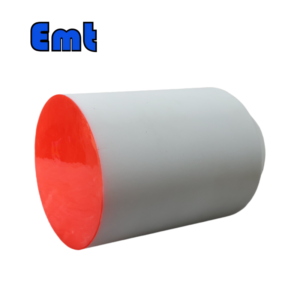
Add-ons
Foam Pig Application Scenarios:
Pipeline crews adopt foam pigs for daily pipeline maintenance. These tools use polyurethane foam, so they stay flexible inside pipes. Operators push foam pigs via medium flow through pipeline bores. First, they wipe paraffin wax, sludge and fine sand off inner walls. Besides, they clear loose scale without damaging pipe coatings. After pipeline construction, workers run foam pigs to drain residual water. Also, they sweep leftover construction dust and tiny debris. Thus, foam pigs restore steady flow and reduce clog risks. Moreover, technicians deploy them prior to intelligent pig inspections. They polish pipe linings and remove leftover process fluid. Finally, oil and gas teams rely on foam pigs for pre-commissioning work. This light-abrasion tool fits gathering, plant and long-distance pipelines.
-
Cleaning Attachments: The bare foam pig can be outfitted with various abrasive components to increase its aggressiveness.
-
Brushes: Technicians spirally wind wire brushes (nylon, carbon steel, or stainless steel) around the body to scour off tougher deposits like rust and mill scale.
-
Abrasive Coatings: Urethane strips embedded with silicon carbide or other grit can permanently coat the foam core, turning it into a scrubbing tool for light-scale removal.
-
Jacketed Sleeves: Technicians can fit a heavy-duty urethane or rubber “sleeve” over the foam pig and equip it with blades, scrapers, or studs for more durable and aggressive cleaning runs.
-
-
Tracking & Monitoring: To locate the pig in the pipeline, electronic transmitters (pingers) can be installed inside a hollow core or mounted externally in a specially designed cavity.
-
-
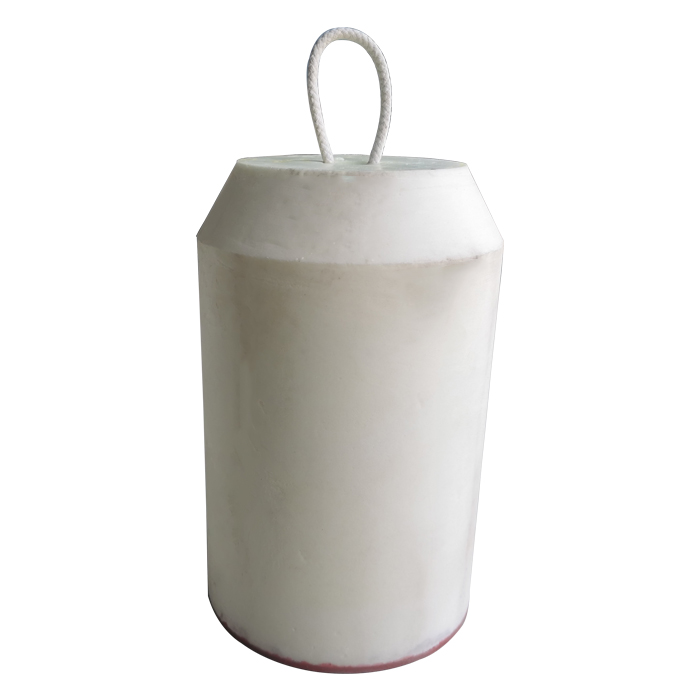
Pulling Strings: A strong, synthetic string can be attached for guiding or retrieving the pig in non-flowing lines or complex piping layouts.
Utility Add-ons:
-
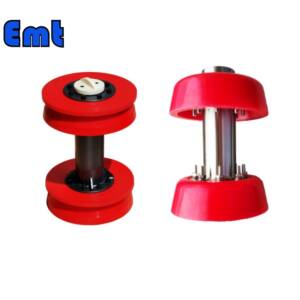
Magnetic Tools: A central mandrel with powerful magnets collects ferrous debris, turning the pig into both a cleaner and a debris collector.
-
Why Choose EMT Foam Pig?
EMT has built pipeline pigs since 1993. The foam pig design has been refined through thousands of field runs in China, the Middle East, and Southeast Asia. You get:
- Proven design — used in oil, gas, and water pipelines worldwide.
- Material options — PU, Viton, neoprene, NBR to match your medium.
- Custom configuration — disc count, brush type, transmitter, gauging plate.
- Fast delivery — standard sizes from stock, custom in 2–3 weeks.
- Technical support — EMT engineers help you select disc count, material, and accessories.