
Description
Introduction to Foam Pigs
Foam Pigs are crucial in various industries. These industries include oil and gas, local government, food and beverage, mining, chemicals, cosmetics, and pharmaceuticals. Maintaining clean pipelines is essential in these sectors.
The pigs stand out among the array of cleaning tools and devices due to their versatility and effectiveness. In this article, we will delve deeper into the capabilities of foam pigs. We will explore their various applications, how they can be customized to meet specific requirements, and their usage across different sectors. This discussion will enhance our understanding of the vital role these tools play in industry.
Understanding Foam Pigs
First: Definition
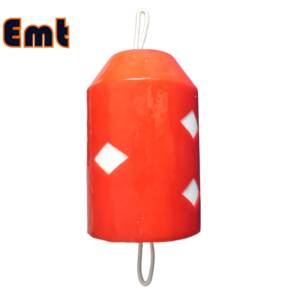
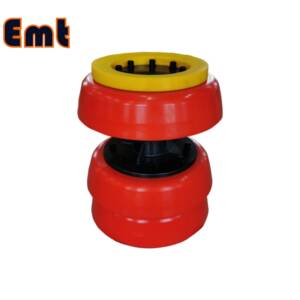
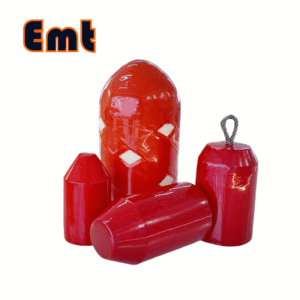
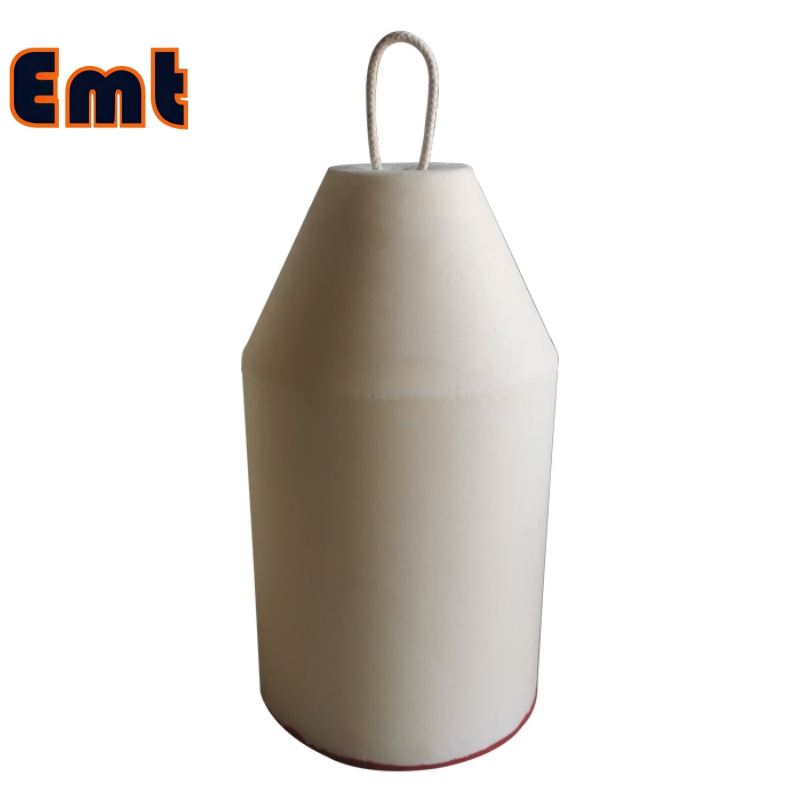
Foam pigs, also known as pipeline pigs, are specialized devices for cleaning. They are designed to clear debris, sediment, scale, and other contaminants from pipelines’ inner walls. Constructed from high-quality polyurethane foam, these pigs effectively navigate and clean pipelines thoroughly.
Second: Size and Density Variability
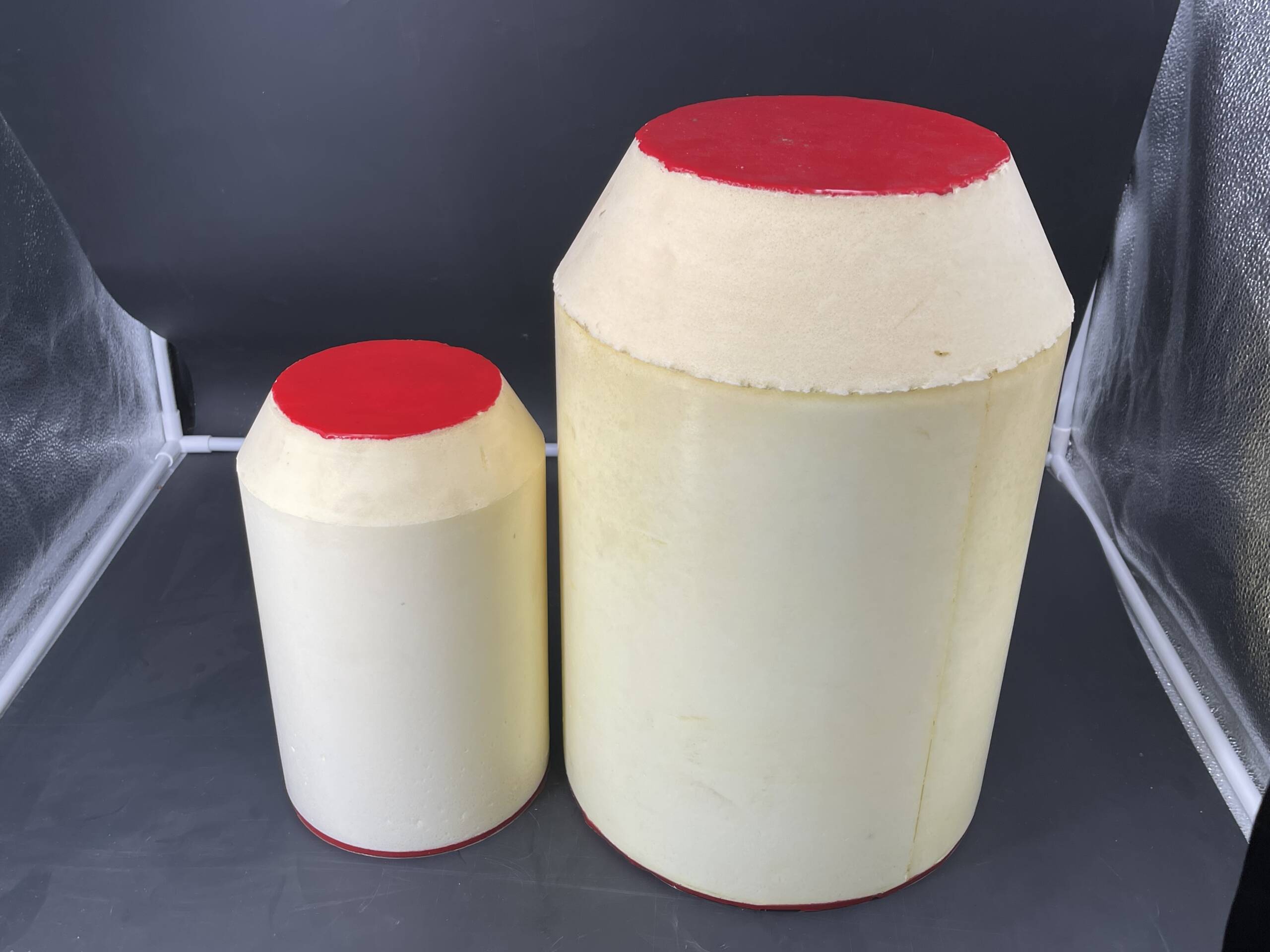
Foam pigs come in a variety of sizes to suit different pipeline diameters, ranging from 2 inches up to 60 inches. They can be tailored to meet specific pipeline needs. Additionally, they are available in several foam densities—light, medium, and heavy—allowing for optimal performance in varying pipeline conditions.
Third: Configuration and Functional Features
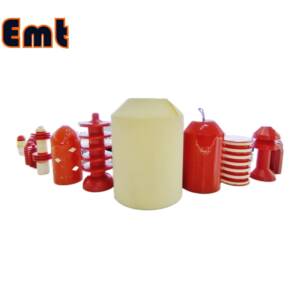
Foam pigs come in various configurations to address different cleaning challenges:
Bare Foam Pigs: Starting with the simplest, these consist of a plain foam body suitable for general cleaning tasks, effective in removing loose deposits from pipeline walls.
Moving to a more specialized type, Criss-Cross Foam Pigs: These pigs feature diagonal grooves or ridges on their foam body, enhancing their ability to dislodge tough deposits like scale or hardened sediments.
Next, for even tougher challenges, Wire-Brush Foam Pigs: Equipped with wire bristles, these pigs offer mechanical scrubbing power, ideal for more demanding cleaning needs.
Similarly, Plastic Bristle Foam Pigs: Utilizing plastic bristles, these pigs enhance scrubbing efficiency, ensuring comprehensive contaminant removal from pipeline walls.
Lastly, Silicon Carbide Foam Pigs: Specifically designed for abrasive cleaning tasks, these pigs incorporate silicon carbide particles embedded in the foam to efficiently strip away tough deposits, coatings, or scales.

Parameters
| Name | Customized Foam Pig | ||||
| Material | Polyurethane | ||||
| Light Density | 0.02-0.3g/m3 | ||||
| Medium Density | 0.08-0.12g/m3 | ||||
| Heavy Density | 0.13-0.16g/m3 | ||||
| Feature | 1. High wear resistance | ||||
| 2. Good cleaning performance | |||||
| 3. Low cost | |||||
| Payment | TT/LC | ||||
| Advantage | 1. They are lightweight and flexible. | ||||
| 2. Nice cleaning efficiency. | |||||
| 3. Accurate location tracking. | |||||
Applications of Foam Pigs
Foam pigs are versatile tools utilized across various industries to maintain pipeline integrity and efficiency. In the oil and gas sector, they are essential for routine maintenance to ensure product flow. They remove deposits like wax and scale, preventing blockages and corrosion. This extends pipeline lifespan, avoids costly shutdowns, and maintains flow efficiency.
In addition to their use in the oil and gas industry, foam pigs are also instrumental in the utilities and wastewater management sectors. Municipalities use these pigs to clean water distribution systems and sewer lines, effectively removing build-ups of sand, grit, and other debris. This cleaning process is essential for preventing blockages and backups, which can lead to significant service interruptions and environmental issues. They are chosen for these applications because their soft and flexible nature allows them to navigate through varying diameters and bends in the pipeline without damaging the internal structure.
Moreover, foam pigs are now widely used in the food, beverage, pharmaceuticals, and cosmetics industries, where clean pipelines are crucial. In these sectors, foam pigs remove residues and bacterial build-ups, ensuring product purity and compliance with hygiene standards. Their customizable density and configuration make them ideal for sensitive cleaning tasks, crucial for maintaining product quality and safety.
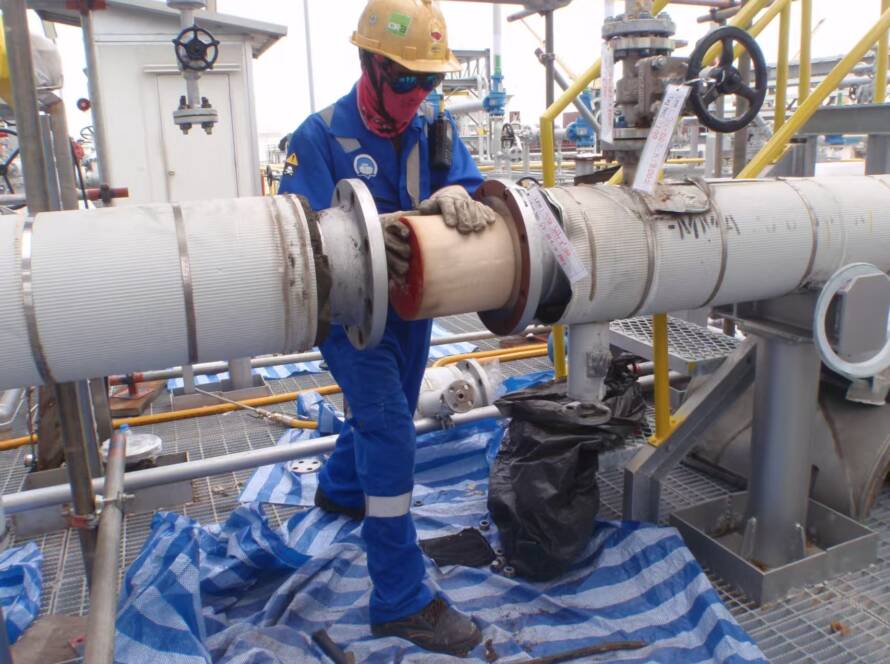
What is Pigging?
Pigging refers to the process of using devices known as “pigs” to perform various maintenance operations inside pipeline systems. These operations can include cleaning, inspecting, and maintaining the pipelines to ensure efficient operation and safety. Pigs are tools that operators insert into pipelines and push through using the product flow or a driving medium like gas or liquid. As they travel through the pipelines, pigs clear out debris, scale, and other deposits. They can also inspect the structural integrity without stopping the product flow. Industries such as oil and gas, chemical manufacturing, and food processing widely use this technique to maintain clean and functional pipelines.
Why Pigging Is Important?
Pigging is crucial for maintaining pipeline efficiency and longevity across various industries. Specialized tools called pigs clean and inspect pipelines, removing debris and obstructions that impede fluid flow. Regular use of pigs ensures smoother, more efficient transport and reduces the risk of blockages and system failures. Consequently, clean pipelines extend their lifespan, reduce leaks or bursts, and minimize costly repairs or replacements.
Furthermore, pigging significantly boosts operational efficiency and energy savings. Lower friction in clean pipelines improves flow rates, reducing the energy needed for pumping fluids. This efficiency translates into cost savings and more effective operations, crucial for maintaining competitive advantage. Importantly, pigging ensures product purity in industries like food, beverage, and pharmaceuticals, where contamination prevention is critical. Pigs maintain product integrity and manage separation within the same pipeline, minimizing waste and avoiding contamination between batches.
Moreover, regular pigging enhances safety and environmental protection. It prevents pipeline failures that could lead to hazardous spills or leaks. Smart pigs, equipped with sensors and cameras, offer advanced inspection capabilities. They provide valuable data on pipeline conditions, enabling predictive maintenance strategies. Thus, companies can address potential issues before they escalate, maintaining the integrity, efficiency, and reliability of pipeline systems. Overall, pigging is an indispensable practice in the operational strategies of many industries.