Description
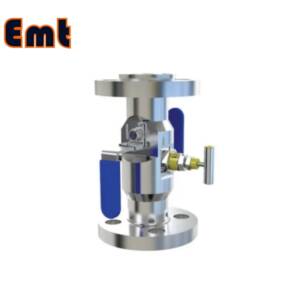
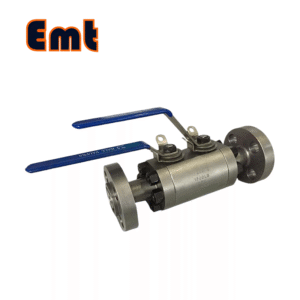
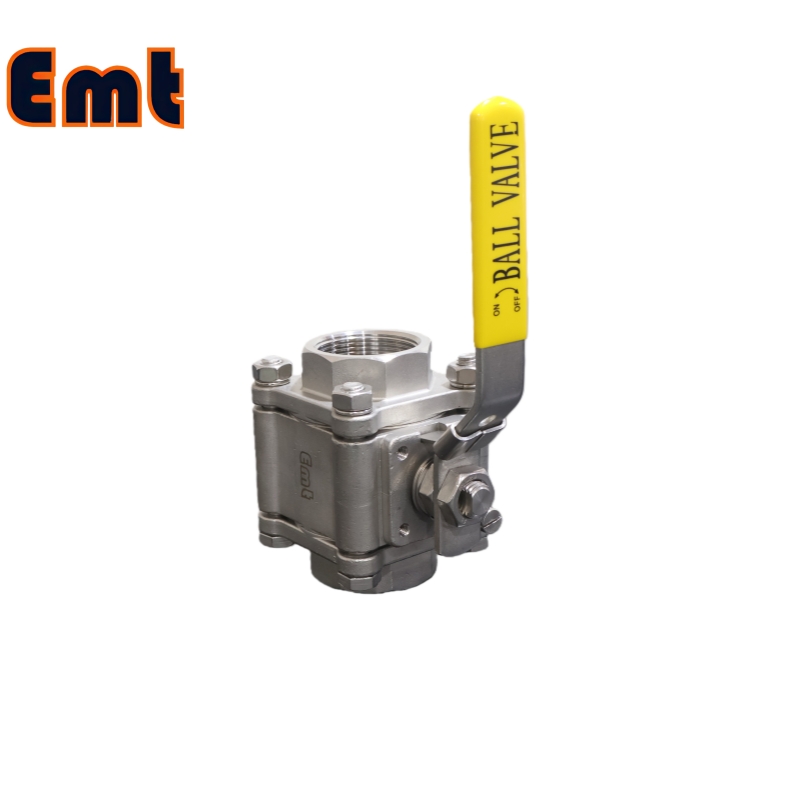
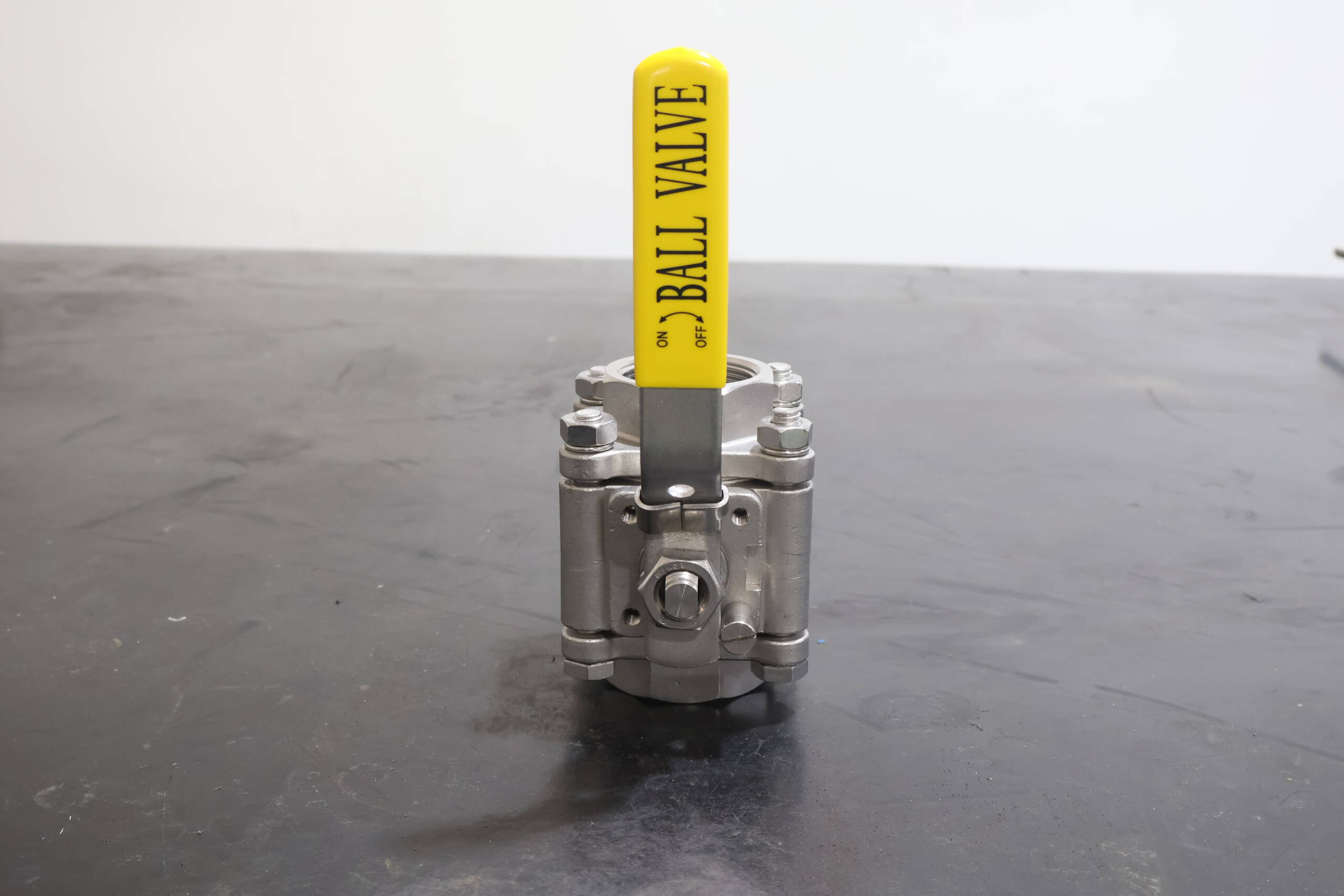
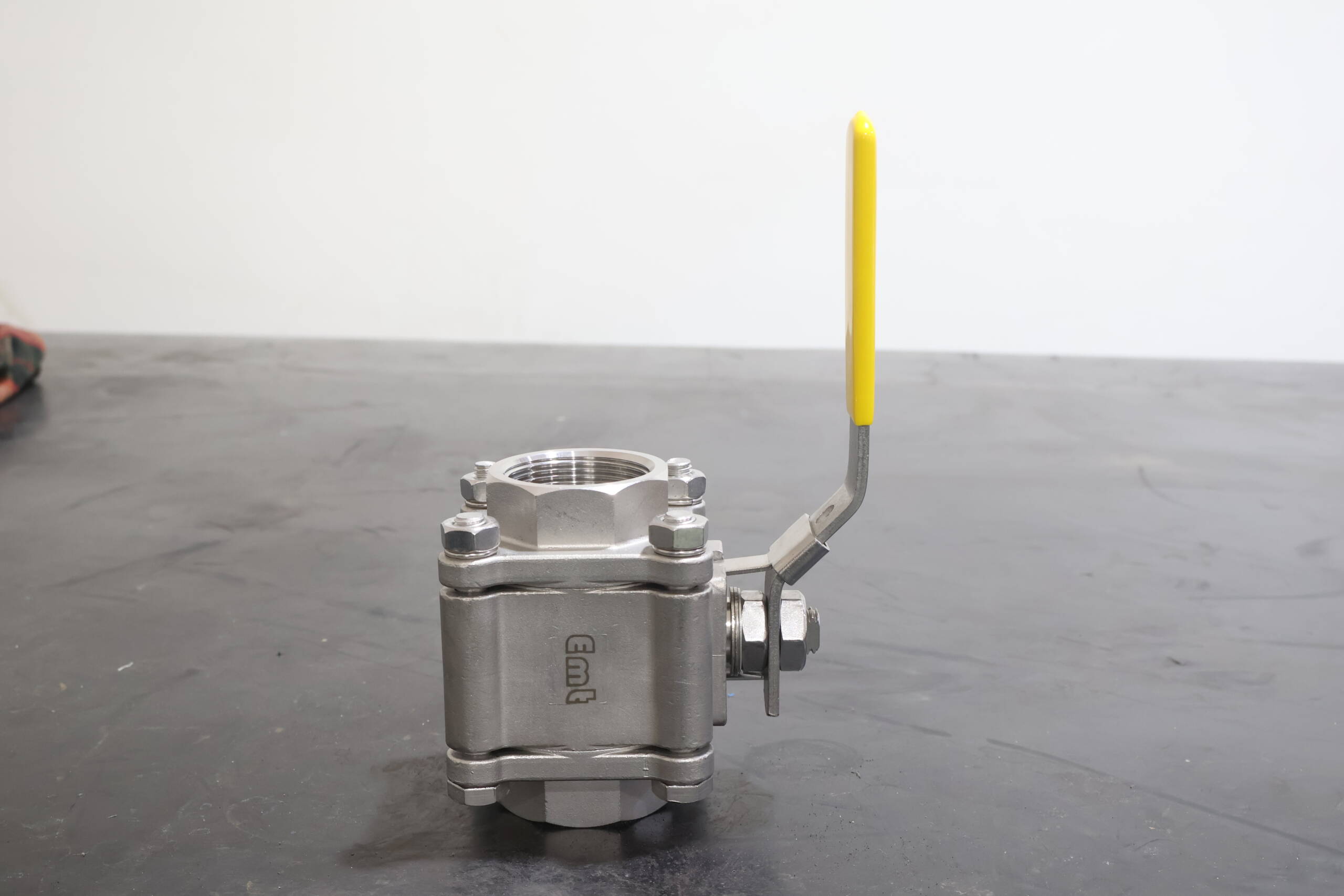
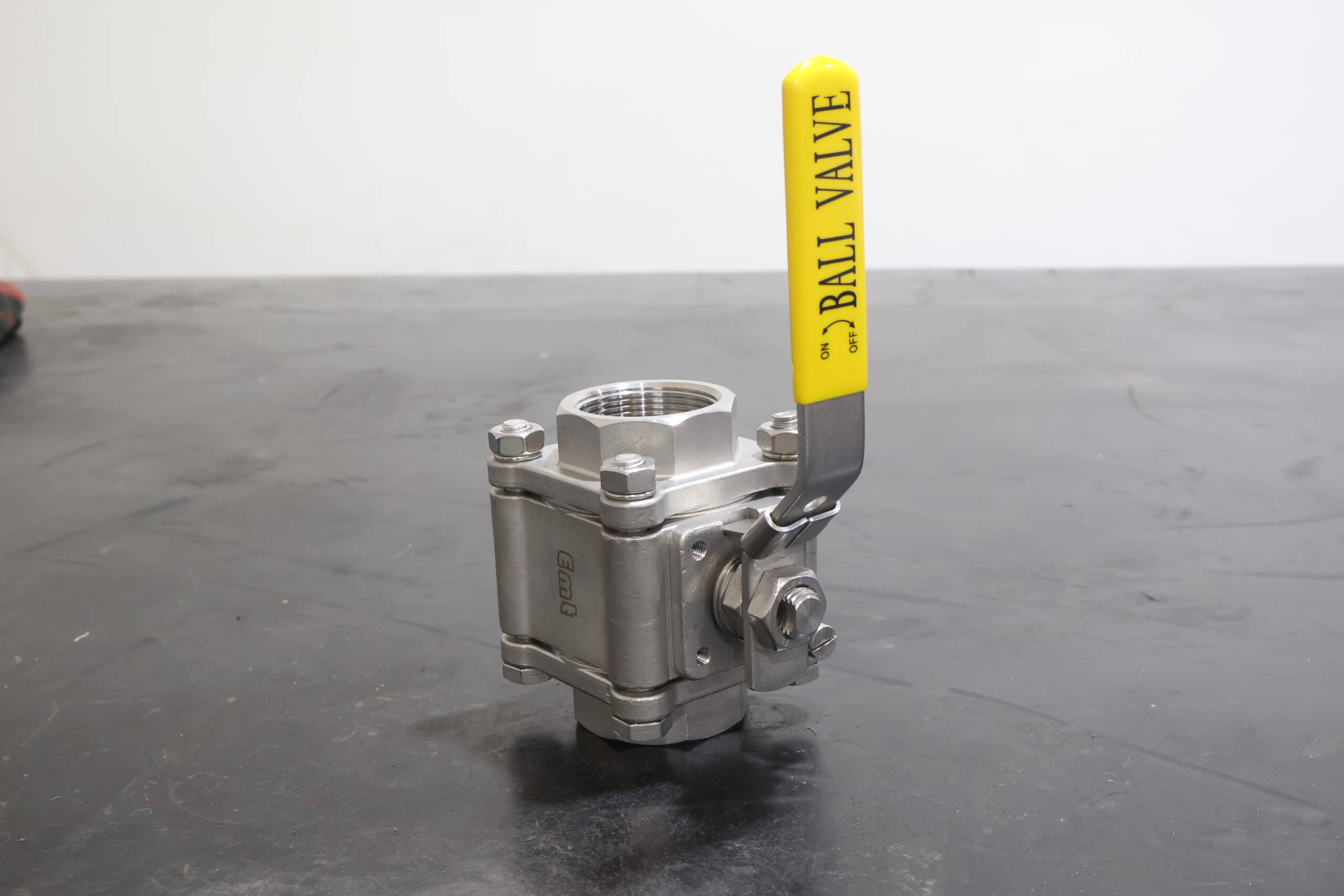
An Isolation Ball Valve is a type of valve used in piping systems to stop or allow the flow of fluids (liquids or gases). It is commonly used for maintenance, repair, or safety purposes to isolate a section of the system.
Key Features of an Isolation Ball Valve
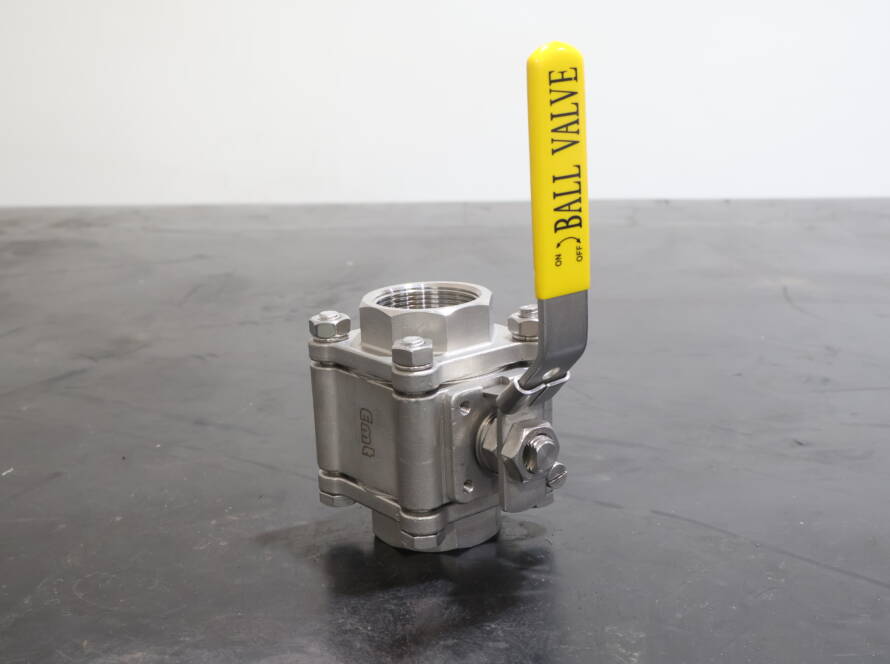
An isolation ball valve has several key features that make it highly effective for controlling the flow of liquids or gases in a pipeline system. One of the most important components is the ball mechanism. This involves a spherical ball with a hole, or bore, running through its center. When the valve handle is turned, the ball rotates. If the hole aligns with the direction of the pipeline, the valve is open and allows fluid to pass through. Conversely, when the ball is turned so that the hole is perpendicular to the pipe, the flow is completely blocked, effectively isolating that section of the pipeline.
Another notable feature is its quarter-turn operation. Unlike many other types of valves that may require multiple turns to open or close, a ball valve only needs a 90-degree turn to go from fully open to fully closed. This quick and simple operation makes it ideal for situations where fast shut-off is critical, such as in emergency scenarios or during routine maintenance.
Full Bore Ball ValveReduced Bore Ball Valve
Isolation ball valves also come in two main types when it comes to bore size: full bore and reduced bore. A full bore ball valve has a hole that is the same diameter as the pipeline, allowing fluids to flow through without any restriction. This is particularly useful in systems where maintaining flow rate is important. On the other hand, a reduced bore valve has a smaller opening than the pipe, which slightly restricts the flow. While this may reduce flow efficiency, it can be beneficial in situations where pressure needs to be regulated or where space and cost considerations are a priority.
Structural Design Differences
| Feature | Full Bore Ball Valve | Reduced Bore Ball Valve |
|---|---|---|
| Bore Diameter | Approximately equal to the pipeline inner diameter (≥90%) | One size smaller than the pipeline inner diameter (typically 70%-80%) |
| Ball Orifice | Ball opening matches the pipeline diameter | Ball opening is smaller than the pipeline diameter |
| Overall Size | Larger structure, heavier valve body | More compact, relatively lighter valve body |
Performance Comparison
| Aspect | Full Bore Ball Valve | Reduced Bore Ball Valve |
|---|---|---|
| Flow Resistance & Pressure Drop | Minimal flow resistance, negligible pressure loss | Noticeable flow resistance, measurable pressure drop |
| Flow Capacity | Maximum flow capacity, suitable for high-flow systems | Limited flow, suitable for applications with lower flow requirements |
| Pigging Capability | Allows pipeline cleaning/scraping with pigs | Cannot be used for pigging |
| Sealing Performance | Larger seat contact area, superior sealing | Smaller seat contact area, slightly lower sealing performance |
| Cost | Higher material usage, more expensive | Simplified structure, lower cost |

Typical Uses of Isolation Ball Valve
- Shutting off flow for equipment servicing or emergency stop.
- Isolating sections of a piping network.
- Controlling flow in HVAC systems, water supply lines, gas pipelines, etc.
Materials and Construction
- Body: Brass, stainless steel, PVC, or carbon steel.
- Seals: Teflon (PTFE) or other elastomers to ensure tight sealing.
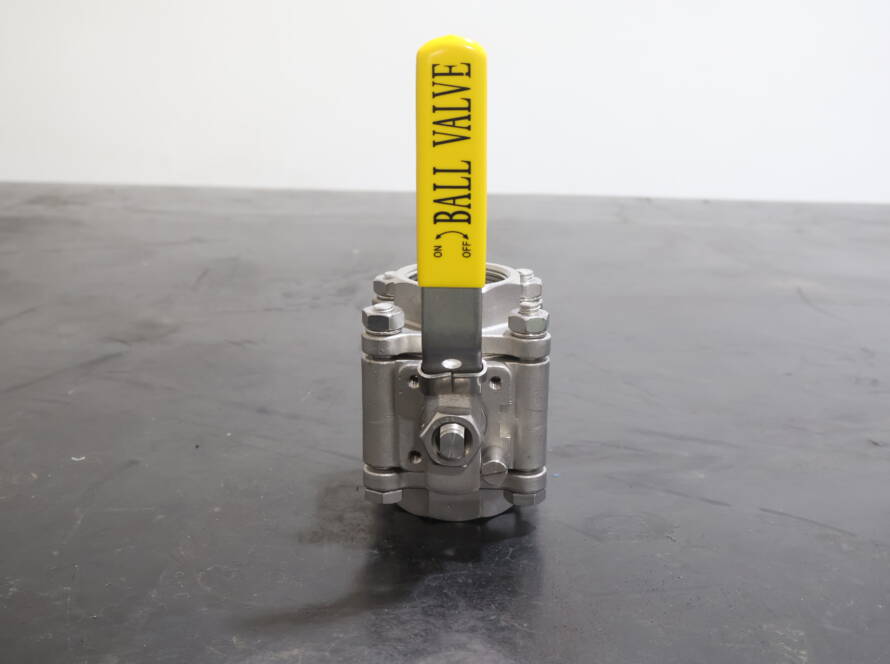
- Handle: Usually lever-operated for easy manual operation.
Advantages of Isolation Ball Valve
One of the main advantages of a pipeline pig launcher is that it is quick and easy to operate. The design allows for straightforward insertion and launching of pigs without the need to shut down the entire pipeline system. This efficiency helps reduce downtime and increases operational productivity.
Another key benefit is its durability and low maintenance requirements. Pig launchers are built from robust materials that can withstand harsh operating environments, ensuring a long service life with minimal upkeep. This makes them a cost-effective solution over time.
Pig launchers also provide tight sealing with minimal leakage. The sealing systems are designed to maintain a secure closure under pressure, reducing the risk of leaks that could lead to safety hazards or product loss. This is especially important in systems transporting hazardous or valuable materials.
Finally, pig launchers are suitable for high-pressure and high-temperature applications. Their construction allows them to handle extreme conditions without compromising performance, making them ideal for use in a wide range of industries, including oil and gas, petrochemicals, and other heavy-duty pipeline systems.
Common Considerations
- Not ideal for throttling or precise flow control.
- May require periodic maintenance to prevent leaks if used infrequently.